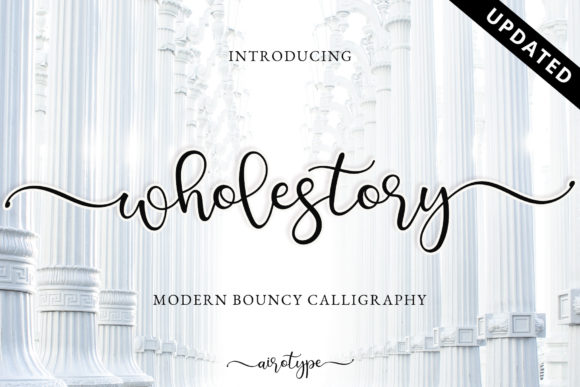
Wholestory Font: A Charming Script for Digital Design
Wholestory for Wedding Invitations and Elegant Branding
As a web designer, I often look for fonts that can bridge the gap between personal touch and professional polish. Wholestory, a script handwritten font, delivers both with its graceful strokes and fluid character shapes. Its charm is ideal for wedding invitations and other design projects where elegance and warmth are essential. Whether you're crafting a digital RSVP page or a branded thank you card section on a wedding website, Wholestory brings a refined yet intimate aesthetic that resonates with users.
Why Wholestory Works for High-End Wedding Websites
Wedding sites require typography that feels exclusive and heartfelt. Wholestory’s handwritten style avoids looking too casual, maintaining a level of sophistication suitable for high-end clients. The font's readability in larger sizes ensures it performs well as headers and hero text, while its consistent rhythm makes it perfect for pull quotes or featured testimonials. When paired with clean sans serif fonts like Lato or Montserrat, Wholestory enhances visual hierarchy without overwhelming body content.
Wholestory in Thank You Cards and Customer Engagement
In the realm of brand-focused web experiences, customer appreciation is key. Wholestory, as a premium script font, adds a personal flair to thank you cards embedded within websites or sent via email campaigns. It helps build emotional connections by giving the impression of a hand-written message. This subtle detail can elevate user experience, especially in niches like e-commerce or service-based businesses where trust and gratitude play a role in repeat engagement.
Using Wholestory for Thank You Pages and Loyalty Campaigns
Thank you pages are often overlooked but crucial for conversion psychology. By using Wholestory in these sections, designers can create a sense of sincerity and exclusivity. For instance, a boutique online store might use it in a custom thank you message after purchase, reinforcing the brand’s attention to detail and customer care. The font also shines when used in loyalty program banners or referral emails—its elegant feel encourages users to share and return.
Wholestory for Quotes and Content Sections
Quotes are powerful tools in content marketing and storytelling. Wholestory, with its expressive script and handwritten nuance, transforms standard quote blocks into visually engaging focal points. Its natural flow mimics human handwriting, making it ideal for pulling out impactful lines in blog posts, landing pages, or social media graphics. The personality of the font allows it to stand out without being distracting, which is vital for maintaining reader focus in long-form content.
Optimizing Quote Readability with Wholestory
When integrating Wholestory into a blog header or testimonial section, ensure it's sized appropriately. On mobile screens, a minimum of 24px is recommended for legibility. Pair it with a modern sans serif font such as Open Sans or Raleway for body copy to maintain contrast and clarity. Also, consider using lighter weights for background overlays or dark-themed layouts, where bold versions might lose their finesse. These small adjustments help preserve the font’s charm while keeping it functional across all devices.
Wholestory in Greeting Cards and Branded Web Experiences
Greeting cards have evolved beyond print; they’re now part of digital branding strategies for creative entrepreneurs and lifestyle brands. Wholestory, a versatile handwritten font, brings authenticity to animated greetings, interactive holiday cards, or microsites dedicated to seasonal promotions. Its adaptability makes it a go-to choice for greeting card templates that need to feel personal yet polished, especially in UI design for apps targeting niche markets like wellness or self-care.
Creating Cohesive Brand Messaging with Wholestory
For a coaching website or a course sales page, Wholestory can be used in welcome messages or module headers to add warmth and approachability. When combined with minimalist design elements, the font becomes a silent ambassador of the brand’s tone—caring, professional, and artistic. It's important to check if the font supports multilingual characters if your audience spans different regions, ensuring inclusivity without sacrificing visual appeal.
Wholestory for Logos and Business Cards in Modern Typography
Logos and business cards set the tone for brand identity. Wholestory, with its elegant script and handwritten nuances, is excellent for creating logos that feel both unique and trustworthy. It works particularly well for startups, artisanal shops, and personal branding projects where the founder wants to convey creativity and professionalism. Unlike overly stylized script fonts, Wholestory maintains enough structure to remain readable at smaller sizes, making it equally effective for digital and print assets.
Choosing the Right Weight for Logo Text
While Wholestory offers several weights, the regular and light variants are best suited for logo text. These styles allow the font to breathe and avoid appearing cluttered in tight spaces. If you're building a brand kit for a new venture, test Wholestory against your color palette and iconography to ensure it complements your overall design language. A well-chosen typeface can make the difference between a forgettable logo and one that lingers in a viewer’s memory.
Wholestory in Banners and Conversion-Focused Layouts
Online shop banners and landing page headlines demand fonts that capture attention quickly. Wholestory, as a display script font, excels in this space. Its flowing curves and soft serifs draw the eye, making it an effective choice for hero sections where the goal is to communicate a brand’s story or product benefits. However, it's not recommended for dense paragraphs or buttons due to its ornate nature—reserving it for short, impactful phrases yields the best results.
Designing with Wholestory for Maximum Impact
On a product landing page, using Wholestory in the headline alongside a strong call-to-action button (with a more legible sans serif) creates a balanced layout. The contrast between the decorative title and straightforward CTA reinforces a clear visual hierarchy. Additionally, because Wholestory is a commercial font, always verify licensing terms before embedding it in client projects or SaaS platforms. Proper licensing ensures legal compliance and protects your brand from potential issues down the line.
Wholestory for Creative Portfolios and Personal Branding
Creative professionals—from graphic designers to writers—rely on fonts to express their individuality. Wholestory, with its charming script and handwritten feel, is a great fit for portfolio sites aiming to showcase a personal, artistic vibe. It can be used in project titles, bio sections, or signature-style footers to reinforce the designer’s brand voice. Its adaptability also makes it suitable for social media graphics and downloadable design assets, helping maintain consistency across all channels.
Building a Visual Narrative with Wholestory
When designing a creative portfolio, the right font sets the mood. Wholestory invites viewers into a narrative, suggesting craftsmanship and intentionality behind each piece. Use it sparingly in section headings or taglines to avoid overuse and keep the design breathable. For a stronger editorial feel, pair it with a serif font like Merriweather for longer descriptions or project details. This combination gives your portfolio a timeless yet contemporary edge.
Wholestory in Dark Mode and Light Backgrounds
With dark mode becoming a standard in app and website design, font choices must adapt to both light and dark backgrounds. Wholestory, a script handwritten font, performs exceptionally well on light-colored themes where its subtlety can shine. On dark backgrounds, slightly increasing stroke weight or adjusting letter spacing can enhance visibility without losing its delicate charm. This flexibility makes it a valuable asset for UI designers working on responsive designs or multi-theme applications.
Adjusting Wholestory for Different Display Conditions
To optimize Wholestory for image overlays or video intros, consider using a semi-bold variant with increased tracking. This helps prevent letters from blending into busy visuals. For small buttons or navigation menus, stick to bolder weights and simplify the styling to avoid confusion. These tweaks ensure Wholestory remains beautiful and functional, no matter the context or screen size.
Font Pairing Strategies with Wholestory
Effective typography isn’t just about picking a good font—it's about pairing it with complementary styles. Wholestory, being a decorative script font, pairs best with neutral, highly legible sans serif or serif fonts. In a branding project, you might combine it with Helvetica Neue for a clean, modern look or Georgia for a more traditional, editorial feel. The goal is to balance its expressive nature with a stable supporting typeface that guides the reader through the content without distraction.
Practical Font Combinations for Web Projects
- Wholestory + Montserrat: Perfect for a fashion or beauty brand with a modern twist.
- Wholestory + Playfair Display: Ideal for luxury goods or editorial websites needing a refined touch.
- Wholestory + Roboto: Great for tech startups wanting to blend warmth with clarity.
Experimenting with these combinations will help you find the right balance for your specific project. Remember, the supporting font should never compete with Wholestory but rather provide a solid foundation for it to thrive.
Wholestory for App Screens and User Interface Design
App screens often prioritize clarity and speed, but that doesn't mean they can't include personality-driven typography. Wholestory, a handwritten script font, can be used in feature highlights, onboarding tutorials, or promotional pop-ups where a softer, more inviting tone is desired. It’s especially useful in lifestyle or creative apps where the interface needs to reflect a certain mood or aesthetic.
Best Practices for Using Wholestory in Apps
Limit Wholestory to non-essential UI elements such as motivational quotes, event announcements, or decorative badges. Avoid using it in menus, labels, or anything requiring quick scanning. Ensure that the font is included in the appropriate file format (such as WOFF or TTF) for optimal performance on both iOS and Android platforms. Also, always review the license to confirm it supports dynamic app usage and cross-platform deployment.
Wholestory in Brand Identity and Multilingual Support
Consistency in brand identity is crucial for recognition and recall. Wholestory, with its cohesive character set and optional alternates, is a strong contender for establishing a unified typographic voice across digital properties. From email signatures to branded PDFs, this script handwritten font helps maintain a consistent and stylish presence. Plus, if your brand operates internationally, confirm whether the font includes the necessary glyphs and ligatures to support languages beyond English.
Ensuring Global Reach with Wholestory
Wholestory’s multilingual support is a bonus for designers creating international websites or global campaigns. Before finalizing a design, preview the font in different languages to ensure it retains its elegance and readability. This step is especially important for languages with special characters or diacritics. Once satisfied, integrate it into your CSS with fallback options in place to cover any browser compatibility gaps.
Wholestory in Course Pages and Educational Platforms
Educational websites and online learning portals benefit from typography that feels approachable yet credible. Wholestory, as a creative font, can be used in course titles, instructor bios, or motivational statements to add a personal touch. Its handwritten style suggests authenticity and thoughtfulness—qualities that resonate with students seeking mentorship or guidance. Just remember to use it only in areas where visual impact matters most, reserving it for headlines rather than instructional text.
Adding Warmth to Learning Interfaces with Wholestory
On a course sales page, Wholestory can transform a standard headline into something memorable. Pair it with a structured sans serif for lesson descriptions or bullet points to maintain usability. It's also effective in student feedback modules or celebratory end-of-course messages. Always ensure the font is accessible—consider adding alt text for screen readers and testing contrast ratios for ADA compliance.
Wholestory in Blog Headers and Social Media Graphics
Blogs and content hubs rely heavily on visual storytelling. Wholestory, with its elegant script, can serve as a standout header or post title, especially when used in combination with minimal design elements. Its handwritten appeal aligns well with lifestyle, travel, or wellness blogs that aim to connect emotionally with readers. As a display font, it helps establish a unique voice for the blog, encouraging deeper engagement and shares.
Enhancing Blog UX with Wholestory
Use Wholestory in category headers, featured article titles, or newsletter subject lines to give your blog a distinct personality. When used in social media graphics—like Instagram carousels or Pinterest pins—the font adds a handmade quality that stands out in crowded feeds. To keep things scalable, limit its use to short phrases and ensure it’s optimized for retina displays and fast loading speeds when implemented as a webfont.
Commercial Font Licensing for Web Designers
Before downloading Wholestory, understand the importance of commercial font licensing. As a web designer or digital product creator, you may need to use it across multiple domains, client projects, or even within a SaaS platform. Always check the licensing agreement to determine if it allows for unlimited installations, server hosting, or redistribution. Investing in the correct license not only supports ethical design practices but also prevents future complications with clients or legal teams.
Protect Your Work with the Right License
If you're planning to embed Wholestory into a template or theme for resale, confirm whether the license permits derivative works. Many designers overlook this step, leading to potential infringement risks. When advising clients, be transparent about the licensing costs and benefits, especially if the font is central to their brand identity. A well-informed team ensures smooth collaboration and fewer surprises during project delivery.
Final Touches: Making Wholestory Work Across Platforms
Whether you're designing a landing page, an app, or a brand site, Wholestory has the versatility to fit many roles. Its charm and elegance make it a favorite among those who want to add a human touch to digital products. As a script handwritten font, it’s not just about aesthetics—it’s about enhancing the user journey with thoughtful typography. When used correctly, Wholestory becomes more than a font; it becomes a design element that reflects your brand’s soul.